Oregon TMDL Complaint News Release August 2021
News Release outlining the complaint filed in federal court regarding EPA’s and Oregon’s failure to follow the mandates of the Clean Water Act.

News Release outlining the complaint filed in federal court regarding EPA’s and Oregon’s failure to follow the mandates of the Clean Water Act.

Through this action, Northwest Environmental Advocates (“NWEA”) challenges the failure of the United States Environmental Protection Agency (“EPA”), and Acting EPA Regional Administrator Michelle Pirzadeh, to ensure the protection and restoration of fresh and marine waters of the State of Oregon in violation of the mandates of the Clean Water Act and EPA’s implementing regulations.
Since the 2010 expiration of the last court order requiring the completion of TMDLs, neither Oregon DEQ nor EPA has completed a single new TMDL for Oregon waters. All of the work that DEQ points to is the result of other litigation by NWEA or others.

This new lawsuit builds on four previous cases brought by NWEA to address the unsafe and rising temperatures of streams and rivers in Oregon, starting in 2001. In January 2021, the Environmental Protection Agency (EPA) issued a report on the importance of cold-water refuges in the mainstem Columbia River.

Actions taken by the United States Environmental Protection Agency (“EPA”) related to its proposed approval of water quality standards developed by the State of Oregon under the federal Clean Water Act (“CWA”) for temperature and intragravel dissolved oxygen run the risk of jeopardizing threatened and endangered species that depend upon habitat of the Willamette and Columbia Rivers. Specifically, EPA’s actions impact Lower Columbia River Chinook salmon (“LCR Chinook”), Upper Willamette River Chinook salmon (“UWR Chinook”), Lower Columbia River steelhead (“LCR steelhead”), Middle Columbia River steelhead (“MCR steelhead”), Upper Columbia River steelhead (“UCR steelhead”), and Upper Willamette River steelhead (“UWR steelhead”) (collectively, “imperiled salmon and steelhead” or the “impacted species”)—among the Pacific Northwest’s iconic salmonid species that depend on cold, clean water for their survival
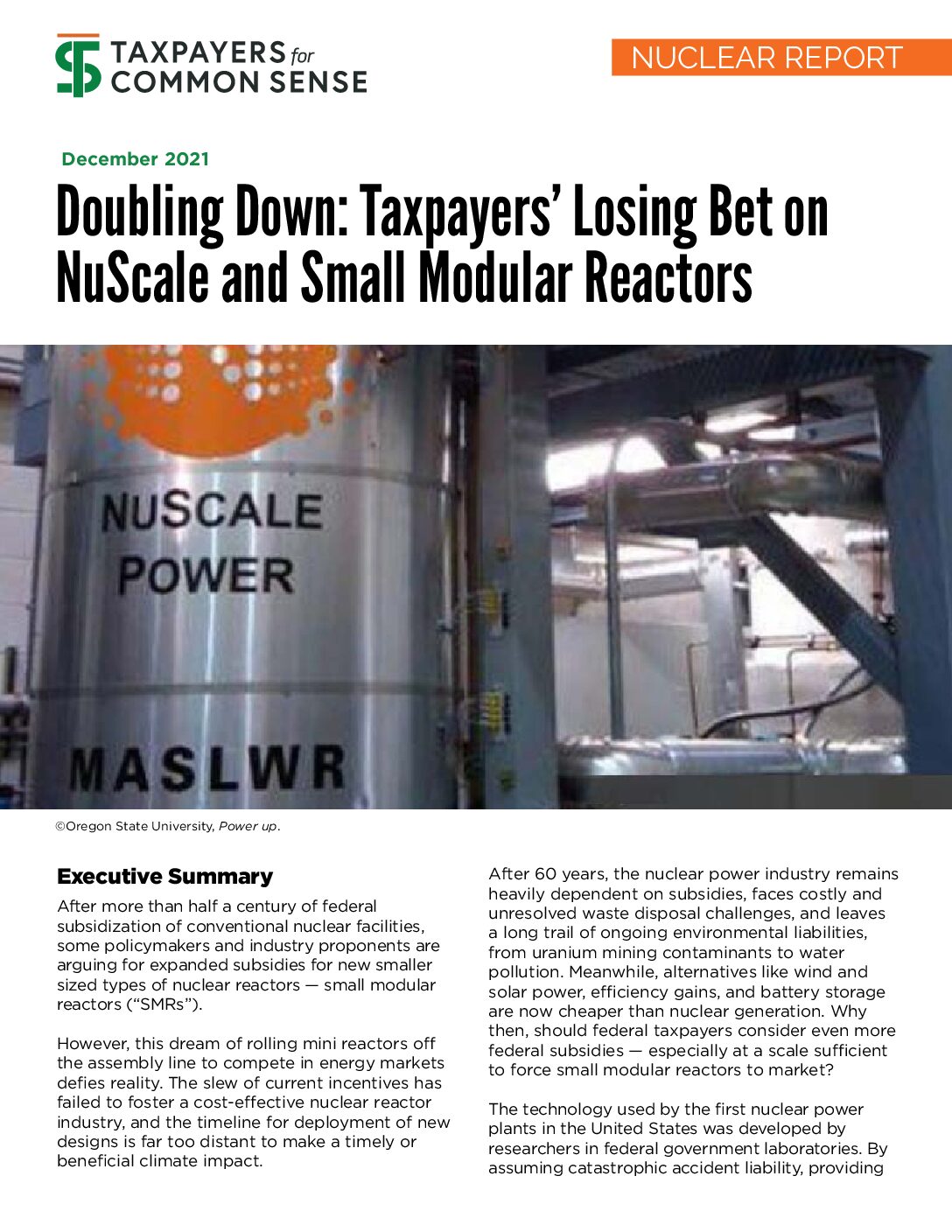
Bottom line — ever-increasing subsidies cannot solve the nuclear energy industry’s costly flaws, and in this era of climate urgency, funneling more taxpayer dollars to unproven, prototype projects will not yield the immediate climate benefits we need today.